
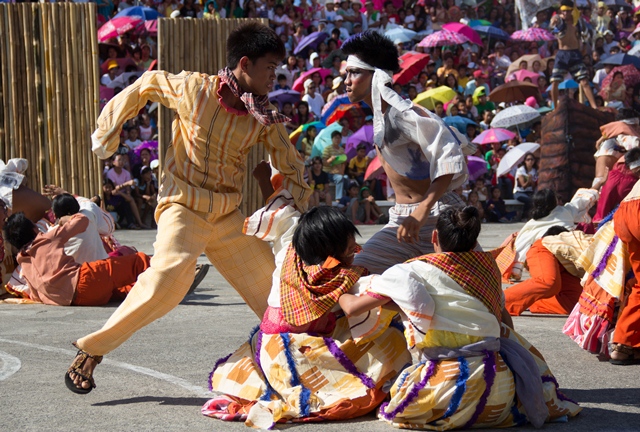
Oral cultures are used to transmit, receive and preserve knowledge, cultural and social values and collective memory by means of storytelling. Art, ideas and cultural materials are passed on by words of mouth which often vary significantly. Oral cultures often form an important part in festivities, since these events may need to be promoted. Tribal dance drama festivals encouraged traditional creativity as means of expression. Let’s take for example the annual celebration of Bantayan Festival in the small town of Guimbal wherein the re-enactment of the triumphant struggle of the natives of Guimbal against the Moros of Jolo and Maguindanao is shown every April. Ergo, the younger generations of Guimbalon will know how their ancestors generously shed their blood for the noble cause. The Bantayan Festival is one of the ways Guimbalon keep their culture alive.
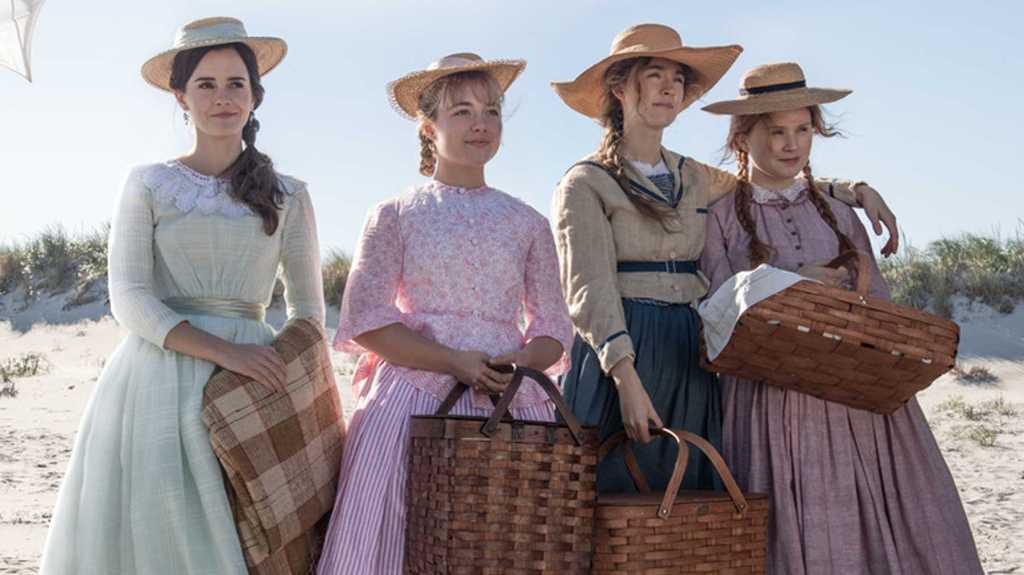
As we began to have the tools and learned to draw and write, this led to the age of literacy which opened worlds not possible with writing. In the same way, literacy is essential to society because it serves as a tool for people to discover other cultures and learn their values. An example is a case study of the Penan of Brunei who are amongst the last of the world’s hunter-gathers. Even so, their care for their forest environment is perceived as responsible and they moderately use forests for the sake of the future generations. What’s more, through written literature, people can deepen their knowledge and understanding of historical events that changed the world. Reading a literary text brings you back in time and you can step into the experiences of the characters. Louisa May Alcott’s book ‘Little Women’ allows its readers have a look into the women of the nineteenth century and how the March’s girls faced conflicts as they journeyed from being children to adults.
The notion that literate culture is above oral culture never crossed my mind, nor do they have differences. I am a person who prefers to write than to speak in public because I have no confidence in doing such. Also, writing makes me expand my ideas more and explore my thoughts well. One of my experiences was joining poem and journalistic writing, particularly in Filipino, during elementary and high school. It is true that when you write, you must be particular with grammar and there’s a structure to follow to make a good piece. I can’t say that I am really a good writer back then but, I find writing really amazing and enjoyable. It also made me realize that writing is powerful when I became one of the staffs in our publication at school, in a sense that it’s not just about constructing ideas in written form but also being socially aware and responsive of what is happening around us, and to connect with other people by disseminating factual information and share educated opinions on certain issues.

Perhaps, it is due to my personal dilemma of not having enough confidence towards my writing and speaking skills, hence I do not allow myself to judge nor to belittle neither of the aforementioned cultures; however, I am actually leaning more to the fact that I am acquainted to unbiased writers and speakers. A friend of mine who is really good at writing and is very particular of grammar, never mentioned anything about oral culture, or to put it in a relatable context, good speakers being inferior to writers. In fact, she finds them fascinating and simply amazing. She admits speaking in front, facing a huge crowd is the kind of horror she would never want to experience nor feel. Likewise, a friend who is a great speaker, does not undermine writers. He acknowledges how writing is a great medium for some to communicate, just as speaking is to him.

Speaker at Business Conference and Presentation. Audience at the conference hall.
Overall, no matter how one would make it seem like literate culture is of greater importance than that of oral culture, which might be true for some aspects, at the end of the day, we should know that one cannot progress in the absence of the other.
 Blackpen Writes